

Mortgage financing
How much down payment you really need to buy a house in the United States
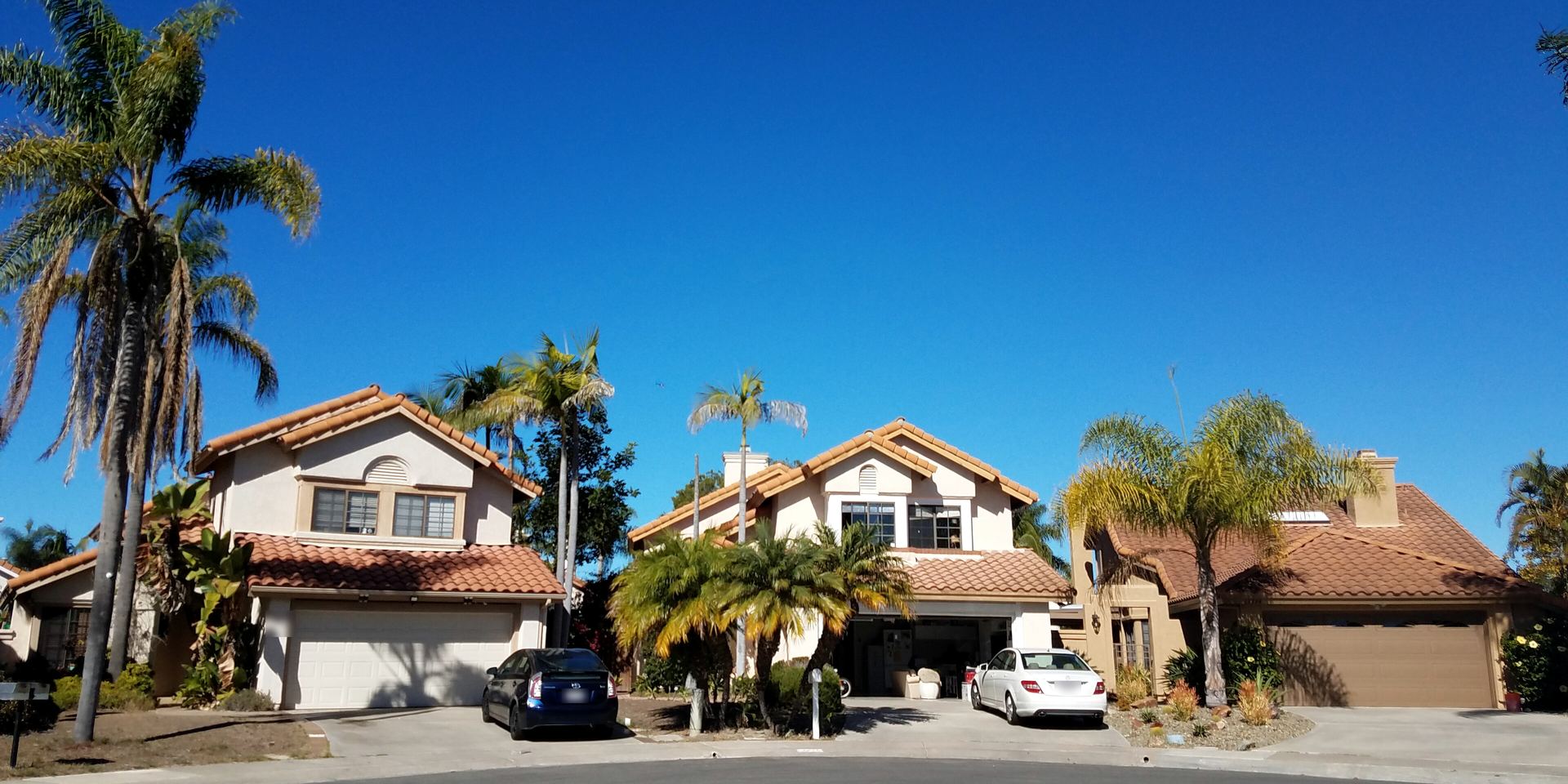
Photo: RightCowLeftCoast · CC BY-SA 4.0 · cropped
The 30% everyone repeats doesn't apply the same way in every case. We explain what it depends on, how to lower it and what other costs you have to add to the down payment.
“You need 30%” is the phrase repeated most often and the one that causes the most misunderstandings. It’s a good starting point, but the real percentage depends on at least five variables, and some buyers get by with considerably less.
The usual range
For a Mexican buyer with no U.S. credit history, what we see in the market runs from 30% to 40% of the property value. With permanent residency or a U.S. credit history, that percentage can drop significantly.
These are observed market ranges, not an offer. Each lender has its own policy and it changes with the cycle.
The five variables that move it
- Immigration status. It carries the most weight. Permanent residency opens programs a tourist visa doesn’t reach.
- Credit history. If you have built credit in the United States — even with a secured card — it changes the conversation.
- Proof of income. Formal, declared and stable income counts for more than the gross amount. High but informal income complicates things a great deal.
- Use of the property. A primary residence gets better terms than an investment property.
- Property type. A single-family home is easier to finance than a condo in a building with restrictive rules or low reserves.
What almost nobody budgets for
The down payment isn’t the only outlay on closing day. Add:
- Closing costs: 2–5% of the price. Escrow, title, inspection, appraisal, lender fees and the property-tax proration.
- Reserves. Many lenders require you to have funds equal to several months of payments left over after closing.
- The first year of insurance, which is usually paid in advance.
A practical example on a $900,000 home with 30% down: $270,000 for the down payment, plus $18,000 to $45,000 in closing costs, plus reserves. The amount you need to have available is well above the nominal down payment.
How to lower the percentage
- Apply for your ITIN and start building a credit history well in advance
- Document your income more solidly: complete tax returns, an accountant’s letter, orderly accounts
- Buy as a primary residence rather than as an investment, if your situation allows it
- Work with a broker who has access to several sources of financing and not just one bank
Run your own scenario
You can try combinations of price, down payment and term in our mortgage calculator and see how the monthly payment changes. For the detail of the full process, see the mortgage financing page.
If your budget is in the entry range, Chula Vista is the area where that down payment goes furthest. For the complete process, see the Mexican Buyer’s Guide.
How much down payment do you need? Pre-qualification is free and takes 20 minutes.
Blog
Keep reading
-
 Photo: Tuxyso · CC BY-SA 3.0 · cropped
Can I buy a house in the United States without being a resident?
Yes, and you need neither a special visa nor residency. We explain what the law does require, what changes with your status and the…
-
 Photo: Mds08011 · CC BY 4.0 · cropped
What an ITIN is and how to apply for one if you’re buying property in California
It isn't required to buy, but it completely changes your loan terms and you'll need it if you rent the property out. What it…
-
 Photo: Tuxyso · CC BY-SA 3.0 · cropped
Personal name, LLC or trust: how best to hold title to your California home
Each structure has different consequences for taxes, privacy and inheritance. And changing it after you buy can be very expensive.

Free first call
Want to know whether your case is viable?
Tell us what you are looking for and we will give you a concrete picture in 20 minutes.
Photo: Gregg M. Erickson · CC BY 3.0 · cropped